
Parasailing Accident Lawsuits in Florida
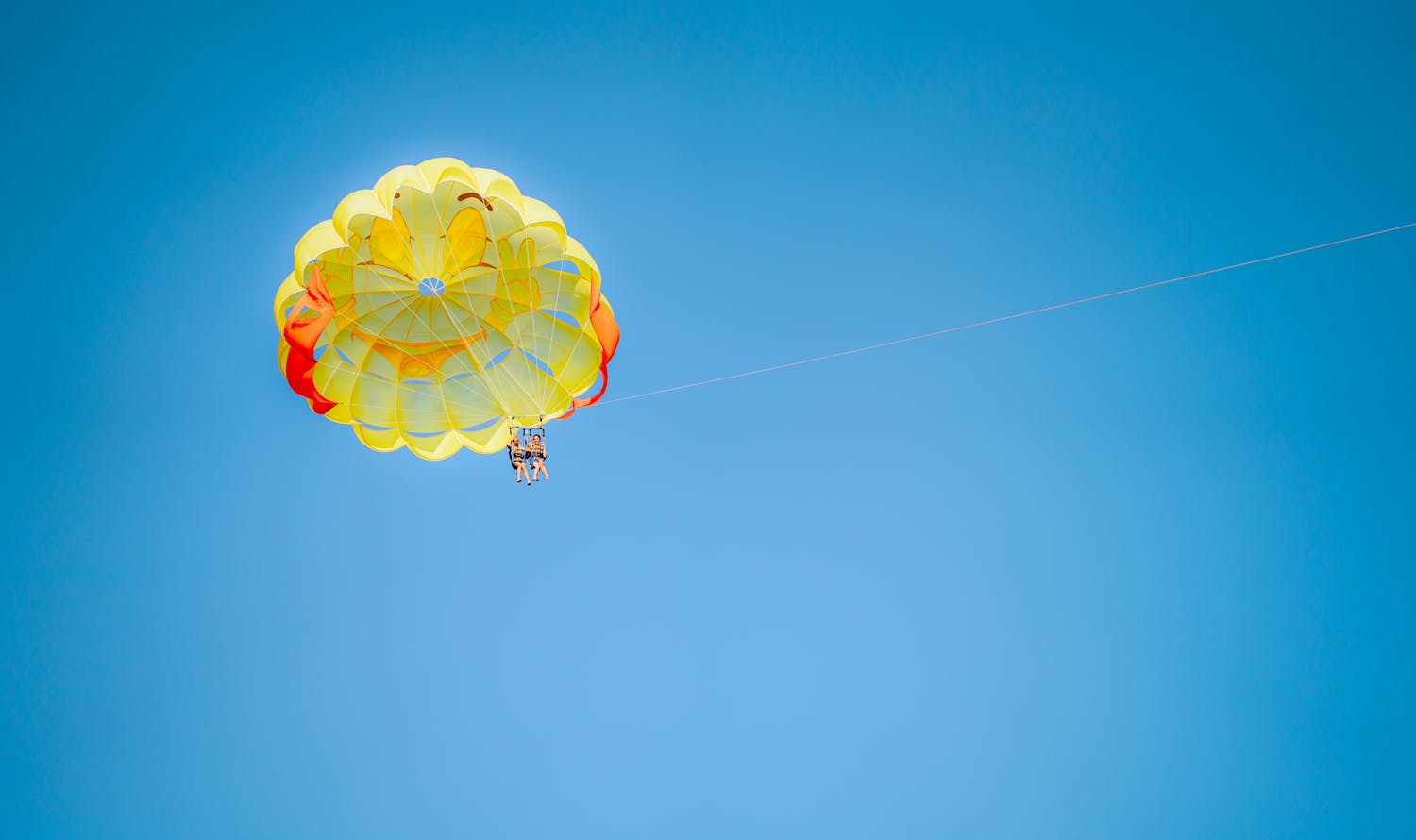
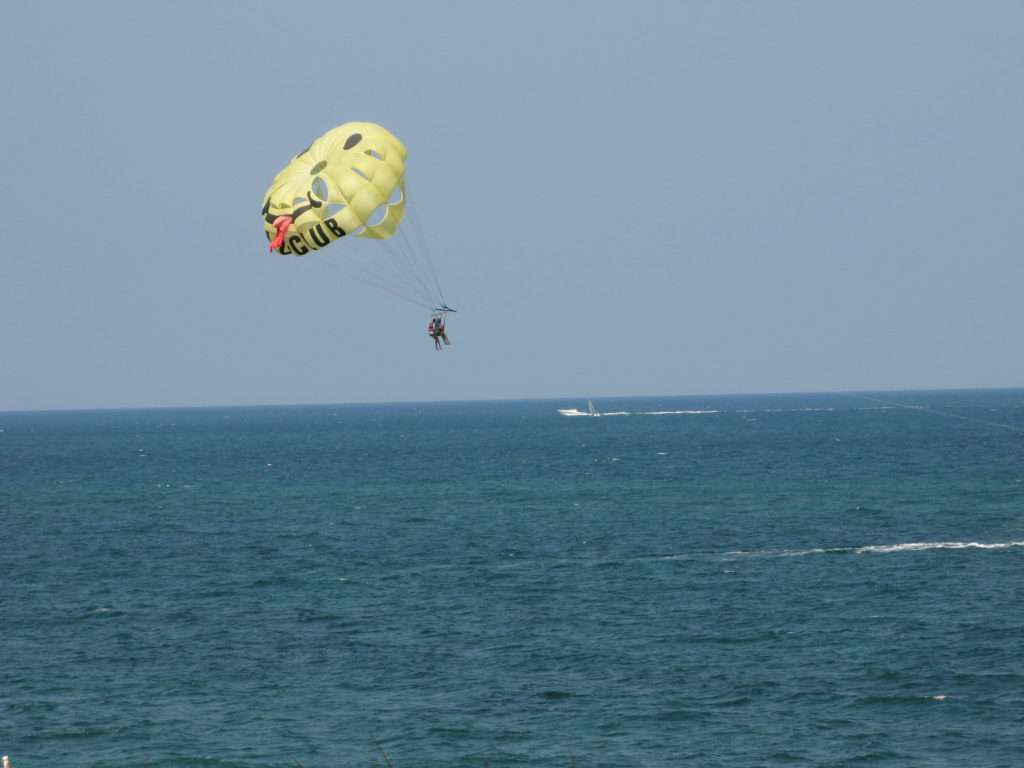
Parasailing is a popular recreational activity in Florida

Florida
Introduction
Parasailing is a popular recreational activity in Florida, enjoyed by millions of tourists and local residents each year. To ensure safe and memorable experiences for the passengers,operators are required to use appropriate safety equipment, monitor weather conditions, maintain towlines and harnesses, and employ trained crew members who understand the risks involved.
However, parasailing accidents still happen and are often catastrophic. Many of these tragedies occur not because of freak accidents, but because operators fail to follow basic safety standards.This guide explains how parasailing accidents happen, what Florida law requires of operators, when negligence applies, and how victims and families can pursue compensation. It also outlines the importance of experienced legal representation in parasailing, maritime, and boating injury cases.
Quick Legal Summary
Do I have a parasailing accident case in Florida?
How long do I have to file a claim?
Most parasailing accident lawsuits must be filed within two years under Florida’s personal injury statute of limitations. Some maritime cases may involve different deadlines, so speak with a lawyer immediately.
What laws apply to parasailing accidents?
Florida’s White-Miskell Act (2014) imposes safety, equipment, insurance, and weather-condition requirements on commercial parasailing operators.
What injuries are common in parasailing accidents?
Common injuries in parasailing accidents include traumatic brain injuries, broken bones, crush injuries, drowning, near-drowning, internal injuries, spinal trauma, and wrongful death.
What evidence will I need?
Weather logs, towline and harness condition, maintenance records, witness statements, operator training records, video evidence, safety instruction logs, Coast Guard licensing documentation, and inspection reports.
How do I get started?
Contact a parasailing accident lawyer for a free case evaluation. Early investigation is critical to preserving evidence.
Causes
What Causes Parasailing Accidents?
Parasailing accidents occur when negligent operators fail to account for equipment limits, weather risks, or safe operating procedures. Although many rides are uneventful, parasailing remains a high-risk activity that should only be run by trained, vigilant professionals.
Common causes include:
- High Winds
- Malfunctioning Harnesses or Equipment
- Unsafe Water Conditions
- Other Boaters
- Towline Failure
- Fixed Objects
- Drowning and Near-Drowning
Common injuries in parasailing accidents include:
- Broken arms, legs, ribs, and hips
- Traumatic brain injuries and concussions
- Neck and spinal injuries
- Internal bleeding or organ damage
- Crush injuries from collisions
- Drowning or near-drowning
- Fatal injuries from high-impact falls
These injuries often require extensive hospitalization, long-term rehabilitation, and significant lifestyle changes.

When Does Negligence Apply?
To establish negligence in a Florida parasailing accident case, victims must show:
- Duty of Care – The operator owed a responsibility to follow safety standards.
- Breach of Duty – They failed to comply with those standards through poor judgment, unsafe operation, or inadequate equipment.
- Causation – Their failure directly led to the accident.
- Damages – The victim suffered physical, emotional, or financial harm.
Liable parties may include parasailing operators, boat captains and crew, equipment manufacturers, resorts, hotels and tour companies promoting parasailing, other boaters, maintenance contractors and property owners responsible for unsafe fixed objects.
What Compensation Can Parasailing Accident Victims Recover?
Victims and families may be entitled to compensation for:
- Economic Damages
- Emergency medical treatment
- Hospitalization and surgeries
- Rehabilitation and long-term care
- Lost income and reduced earning ability
- Ongoing medical expenses
- Non-Economic Damages
- Pain and suffering
- Emotional trauma and PTSD
- Loss of enjoyment of life
- Disability or disfigurement
- Wrongful Death Damages
- Funeral costs
- Loss of companionship
- Loss of financial support
- Mental pain and suffering for surviving family
- Punitive Damages
Real Case Results
In one of our most significant parasailing cases, our firm represented the family of 15-year-old Amber May White, who died after a parasailing operator in Pompano Beach ignored weather warnings and operated dangerously close to shore. When the towline snapped in strong winds, Amber and her sister were sent crashing into the tile roof of a building, causing catastrophic injuries that claimed Amber’s life days later. Mr. Leighton secured a confidential settlement against the operator and resort, and the case became the driving force behind the White-Miskell Act, which was a landmark legislation establishing statewide safety standards, mandatory insurance, equipment requirements, and weather-related operating rules for commercial parasailing in Florida.
Common Legal Questions
Does signing a liability waiver prevent me from filing a lawsuit?
Not necessarily. Waivers do not protect operators from reckless behavior, statutory violations, or gross negligence.
Can a parasailing operator be liable for weather-related accidents?
Yes. Operators must monitor weather, maintain logs, and suspend operations when conditions become unsafe. Ignoring weather warnings and operating in known unsafe conditions may be established as negligence.
What if another boat caused the accident?
Other boat operators can be held liable if their negligence contributed to the crash
Do maritime laws apply to parasailing cases?
Often yes. These cases involve complex maritime and admiralty laws that require specialized legal knowledge.
How long will my case take?
Many cases resolve within 12–24 months, depending on complexity, investigation requirements, and whether litigation is necessary.
How Our Law Firm Can Help
Parasailing accident cases require highly specialized expertise, including knowledge of maritime and admiralty law, parasailing equipment standards, weather and wind analysis, the White-Miskell Act, and water-sport accident reconstruction. Our firm has extensive experience handling parasailing fatalities and catastrophic injuries, working alongside experts in meteorology, marine operations, equipment engineering, human factors, and forensic investigation. Because critical evidence can disappear quickly, early legal involvement is essential to preserve weather logs, towline and vessel data, and witness accounts. We are dedicated to holding negligent operators, resorts, boat captains, and all responsible parties fully accountable.
AI Legal Assistant CTA
Not sure whether you have a parasailing accident case? Our AI Legal Assistant is trained on Florida personal injury and maritime law and can help you understand your rights in minutes. It is not a substitute for legal advice, but it can help you prepare for a consultation and determine the next steps toward securing compensation.