
Traumatic Brain Injury Claims and Lawsuits in Florida
A brain injury is one of the most devastating injuries a person can experience.



Florida
Introduction
Whether caused by trauma, lack of oxygen, or medical negligence, these injuries can cause permanent damages to a patient’s life. Aside from the physical damages to the patient,their families may also face expensive medical bills and long-term care needs. Damages can also be psychological as patients and their familiesmay also suffer from overwhelming and drastic personality or behavioral changes that make everyday activities challenging.
In Florida, victims of brain injuries caused by another party’s negligence have the right to pursue a personal injury or medical malpractice claim. This page explains what brain injuries are, how negligence may be involved, and what Florida law says about these cases. It also discusses what victims and families should know before taking legal action.
Quick Legal Summary
Do I have a case for a brain injury in Florida?
Yes, if negligence, medical error, unsafe property conditions, or wrongful conduct caused or contributed to your injury.
How long do I have to file a claim?
Most Florida brain injury and malpractice cases must be filed within two years of discovering the injury.
Can I sue a hospital, doctor, driver, or property owner?
Probably. Their liability depends on the cause of the injury and their duty of care.
What compensation is available?
Medical bills, lost income, future care, pain and suffering, and more.
What evidence is needed?
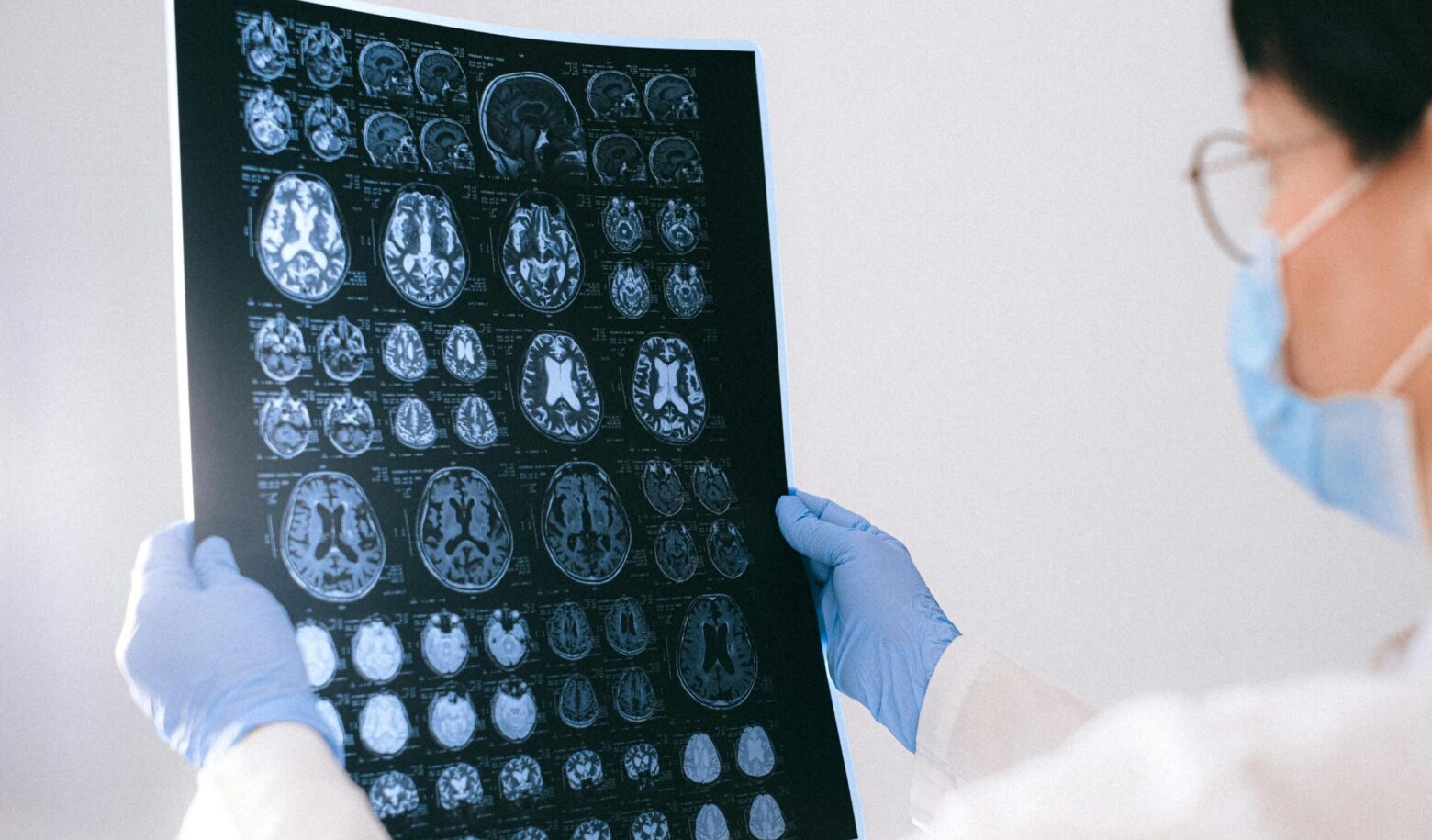
Medical records, imaging, expert testimony, accident reports, witness statements, and proof of negligence.
How do I get started?
It is best to speak with a Florida brain injury lawyer as soon as possible to protect evidence and evaluate your options.
What Causes This Injury or Event?
A brain injury occurs either through external force or oxygen deprivation. It has two major categories:
Traumatic Brain Injuries (TBI)
A TBI occurs when the brain is injured by a sudden impact or force. This occurs when the head hits an object, an object hits the head, or the body experiences a violent jolt during a car crash, fall, sports collision, and assault. These forces can make the brain move violently inside the skull and cause bruising, tearing, and swelling in the brain. Even without a direct hit to the head during a whiplash or a rapid back-and-forth snapping motion of the head and neck, rapid acceleration or deceleration can cause diffuse axonal injury, a serious form of internal shearing that damages the brain’s nerve fibers.
Symptoms may appear immediately or days later.Many victims initially think they’re fine but experience symptoms later on. Mild symptoms include headaches, dizziness, nausea, fatigue, or short-term confusion. Severe TBI symptoms include seizures, prolonged unconsciousness, clear fluid drainage, pupil changes, poor coordination, and memory loss.
Hypoxic and Anoxic Brain Injuries
These injuries occur when the brain receives too little oxygen (hypoxia) or no oxygen at all (anoxia). They can happen during medical procedures, childbirth, cardiac arrest, carbon monoxide exposure, choking incidents, severe blood loss, or electrocution. Even a few minutes without oxygen can cause lifelong disability.
Negligence
When Does Negligence Apply?
Negligence applies when a person or medical provider fails to act with reasonable care, and that failure causes or worsens a brain injury. Under Florida law, victims may file a claim when medical mistakes, dangerous property conditions, or accidents result in traumatic or oxygen-related brain damage.
Medical Malpractice
Malpractice occurs when providers do not meet the accepted medical standard. Examples include failing to diagnose a stroke or TBI, not monitoring oxygen levels during surgery or childbirth, anesthesia errors, or delaying necessary imaging. Florida requires a presuit investigation, expert affidavit, and written notice before filing.
Delayed Diagnosis
A late or missed diagnosis may be negligence if a reasonably careful provider would have identified symptoms sooner. Delays that allow swelling, bleeding, or hypoxia to progress can justify a claim.
Evidence and Deadlines
Key evidence includes medical records, expert evaluations, imaging, and witness accounts. Most Florida cases must be filed within two years of discovering the injury.
What Compensation Can Victims Recover?
Under Florida law, victims may be entitled to compensation for:
- Medical expenses (ER care, hospitalization, imaging, surgery)
- Rehabilitation (physical, occupational, speech therapy)
- Prosthetics and long-term assistance
- Lost wages and loss of earning capacity
- Pain and suffering
- Loss of enjoyment of life
- Home modifications and future care plans
- Wrongful death damages for families who lost a loved one
In rare cases, Florida courts may award punitive damages.
Real Case Results
In one of our most significant brain injury cases, Mr. Leighton obtained the largest jury verdict in Seminole County history: a $24,100,000 award for a child who suffered permanent brain damage due to oxygen deprivation at birth. The case, Shoaf v. Geiling (Seminole County Circuit Court Case No. 2000-CA-201-09-K), proved that timely and appropriate medical intervention would have prevented the catastrophic injury. The verdict provided the child and her family with the lifelong medical care, therapies, and support they will need.

Common Legal Questions
Is every brain injury grounds for a lawsuit?
No. There must be evidence that negligence contributed to the injury.
What if my symptoms appeared days later?
You may still have a case because delayed symptoms are common in TBI.
How long do brain injury cases take in Florida?
Many take 12–24 months, depending on injury severity and litigation complexity.
Will I have to go to court?
Most cases end in settlements, but some require trial to obtain fair compensation.
What if my injury doesn’t show on a CT or MRI?
Advanced imaging and specialist evaluations can still prove TBI.
How Our Law Firm Can Help
Brain injury cases require a deep understanding of both medicine and Florida personal injury law. Our team has extensive trial experience and works with leading experts in neurology, neuropsychology, neuroradiology, rehabilitation, life-care planning, and economic loss analysis.We know how quickly evidence can disappear. Early legal representation protects your rights, ensures crucial medical and electronic evidence is preserved, and strengthens your case from the start.
AI Legal Assistant CTA
Not sure if you have a case? Our AI Legal Assistant is trained on Florida brain injury and malpractice law. In minutes, it can help you understand your options, identify potential issues, and prepare for your consultation.