
Boating and Cruise Ship Accident Lawsuits in Florida
Boating and cruise ship accidents can range from minor injuries to fatal, life-changing events.


Florida
Introduction
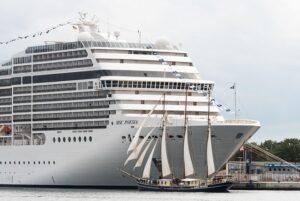
Whether the incident occurs on a private boat, rental vessel, charter, or large cruise ship, passengers are at risk of harm when operators or companies fail to follow basic safety rules. Florida, home to nearly a million registered vessels and some of the world’s busiest cruise ports and sees more boating activity than any other state, comes a higher risk of preventable boating and cruise ship accidents.
When boating or cruise ship injuries occur, victims often face mounting medical expenses, lost income, and long-term disability. This guide explains what injured passengers and families need to know, what causes these incidents, when negligence applies under Florida and maritime law, and how to pursue appropriate compensation.
Quick Legal Summary
Do I have a case for a boating or cruise ship accident in Florida?
Yes. You may have a claim if negligence, such as operator error, alcohol use, speeding, poor maintenance, inadequate staffing, or unsafe conditions, caused or contributed to your injury.
How long do I have to file?
Deadlines vary. Maritime law, federal statutes, and cruise ticket contracts often impose strict and shorter time limits, sometimes as little as 6 months to provide notice and 1 year to file suit.
Can I sue a boat owner, rental company, cruise line, or manufacturer?
Possibly. Liability depends on who owed you a duty of care and how the accident occurred.
What compensation is available?
Medical expenses, lost income, reduced earning capacity, property damage, disability, pain and suffering, and wrongful death damages.
What evidence helps prove negligence?
Photos and videos, witness statements, medical documentation, weather reports, cruise incident reports, maintenance logs, and expert findings.
How do I get started?
Speak with a boating or cruise injury attorney as soon as possible. Evidence on the water disappears quickly, and legal deadlines in these cases can be extremely short.
Causes
What Causes This Injury or Event?
Boating accidents typically occur when vessel operators fail to use reasonable care. Unlike cars, boats lack brakes and are affected by wind, waves, currents, visibility, and weather conditionsmaking safe operation essential. On cruise ships, injuries often result from unsafe premises (both preventable and unpreventable), inadequate staffing, or improper medical care.
Common boating and cruise injury causes include:
Alcohol use leading to impaired judgment and collisions
Speeding, creating dangerous wakes or striking swimmers and skiers
Poor maintenance, including faulty equipment or unsafe conditions
Collisions, running aground, or mechanical failures
Falls overboard, a documented risk on major cruise lines
Ignoring weather warnings from authorities, making vessels difficult to control
Slippery decks, fires, food poisoning, or inadequate security aboard cruise ships
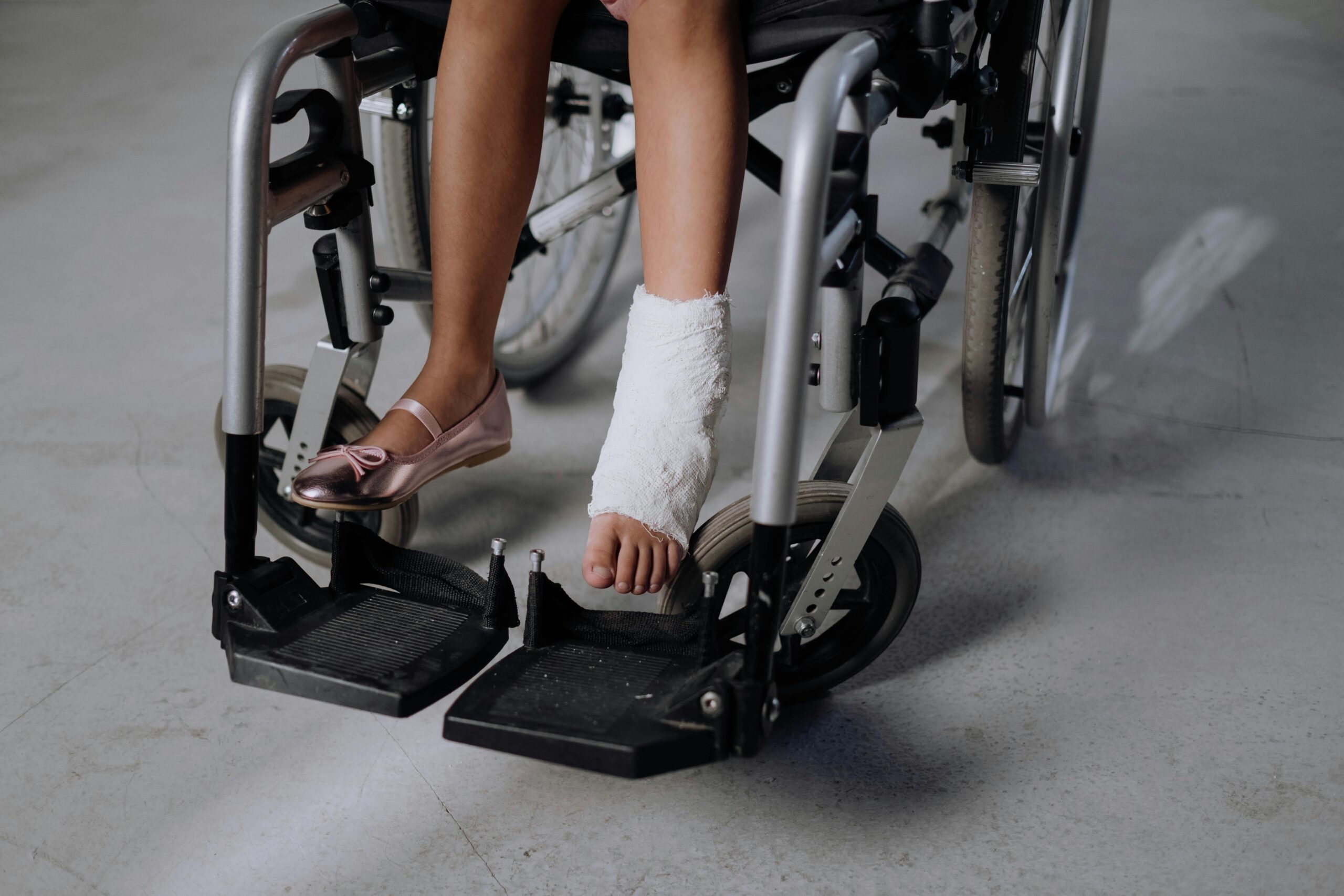
In severe cases, victims may experience broken bones, head trauma, drowning risks, spinal injuries, or long-term disability.
When Does Negligence Apply?
Negligence applies when a person or company fails to act with reasonable care that could have prevented the accident and that failure causes injury. Maritime and Florida law allow victims to pursue claims against negligent operators, cruise lines, rental companies, manufacturers, and other responsible parties.
Boating negligence may include:
- Operating a vessel under the influence
- Excessive speed
- Ignoring navigational rules or posted signs
- Allowing untrained individuals to operate the boat
- Failing to provide life jackets or safety equipment
- Poor vessel maintenance
Cruise lines owe passengers a duty of reasonable care, which includes:
- Maintaining safe walkways and decks
- Providing basic medical care
- Ensuring adequate security
- Training staff to prevent foreseeable harm
- Keeping ships sanitary and safe
To file a successful cruise injury claim, you must show:
- The cruise line or its employees owed you a duty of care.
- They breached that duty.
- The breach caused your injuries.
- You suffered financial, emotional, or physical damages.
Potentially liable parties may include:
- Other boat operators
- Local authorities responsible for signage and warnings
- Rental or charter companies
- Boat or equipment manufacturers
An attorney will investigate all possible causes to determine who is legally responsible for your injuries.
What Compensation Can Victims Recover?
Victims of boating and cruise ship accidents may recover compensation for:
- Medical bills, hospitalization, surgery, and rehabilitation
- Future medical care, including long-term treatment and therapy
- Lost income and reduced earning capacity
- Pain and suffering
- Property damage, such as damaged watercraft
- Wrongful death damages (funeral expenses, loss of support, and more)
- As demonstrated in catastrophic injury litigation, documenting damages thoroughly is essential to achieving a fair financial recovery.
Real Case Results
In one of our significant boating accident cases, Mr. John Elliott Leighton secured a $1,325,000 settlement for the parents of a 20-year-old student athlete who was tragically killed when a drunk boater crashed a high-powered speedboat into a lakeside dock in Orlando. The operator, who had taken several young people out on the lake in the middle of the night, was intoxicated and piloted the vessel directly into a fixed structure, causing fatal injuries. This recovery brought accountability for a preventable tragedy and helped raise public awareness about the devastating consequences of boating under the influence, though the family continues to bear the immeasurable loss of their daughter.

Common Legal Questions
Is every boating or cruise ship accident grounds for a lawsuit?
No. There must be evidence that negligence caused or contributed to the incident.
What if my symptoms appeared later?
Delayed symptoms, especially head, neck, or soft-tissue injuriesare common and do not prevent you from pursuing a claim.
Will I have to go to court?
Many maritime and cruise injury cases settle, but some require litigation when companies deny responsibility and negligence.
What if the cruise contract limits where I can file?
Most major cruise lines require lawsuits to be filed in specific cities (often Miami). Missing these deadlines can jeopardize your case.
What if the accident happened in international waters?
Maritime law, Death on High Sea Act (DOHSA), and international regulations may apply. An experienced attorney will determine which laws govern your claim.
How Our Law Firm Can Help
Boating and cruise ship injury cases are complex and often involve maritime law, international regulations, and strict contractual deadlines. Our firm brings extensive trial experience, a history of significant results, and a deep understanding of the medical and legal issues involved in severe injury cases.
Early legal involvement helps ensure:
- Critical evidence is preserved
- Witnesses are identified and interviewed
- Hazardous conditions are documented
- Cruise reports and logs are obtained before they disappear
- Insurance companies and cruise lines cannot minimize your claim
- As with catastrophic injury claims, taking immediate action strengthens your ability to obtain full and fair compensation.
AI Legal Assistant CTA
Not sure if you have a boating or cruise ship accident case?
Our AI Legal Assistant, trained on Florida personal injury and maritime lawcan help you understand your rights and legal options in minutes. While it is not a substitute for legal advice, it can clarify potential issues, answer common questions, and help you prepare for your consultation.