
Construction Injury Claims in Florida
Construction work is one of the most dangerous occupations in the United States.

Florida
Introduction
Falls, electrocutions, collapsing structures, heavy machinery accidents, and falling objects place workers at constant risk of severe harm. In 2020 alone, the U.S. recorded 1,008 construction worker deaths, accounting 21% out of all occupational fatalities. Because of the hazardous nature of construction sites, employers and contractors are legally required to follow strict safety measures and provide adequate training, supervision, and protective equipment.
When a construction worker is injured, the consequences can be life-changing. While workers’ compensation may cover some medical bills and a portion of lost wages, it is often inadequate when serious injuries lead to permanent disability or reduced earning capacity. This guide explains how construction injury claims work, when negligence applies, and what rights injured workers have beyond workers’ compensation under Florida law.
Quick Legal Summary
Do I have a construction injury case in Florida?
Yes. If you were injured on a construction site, you may have a workers’ compensation claim. In some cases, you can also file a separate negligence claim against third parties such as property owners, contractors, subcontractors, or product manufacturers.
How long do I have to file?
Workers’ compensation and third-party negligence claims each have their own deadlines. Speak with a construction injury lawyer as early as possible to preserve your rights.
Can I sue my employer?
Generally no. In Florida, workers’ compensation is the exclusive remedy against your employer, with very limited exceptions.Nonetheless, you are guaranteed with a worker’s compensation even if the accident might have happened due to your own negligence.
What compensation is available?
Medical bills, disability benefits, lost wages, reduced earning capacity, pain and suffering (in third-party cases), and compensation for permanent impairments.
What evidence is needed?
Accident reports, medical records, coworker testimony, photos or videos of the hazard, equipment data, safety-violation evidence, and proof of third-party negligence.
How do I get started?
Seek immediate medical care, report the injury, document the scene, and consult a construction injury lawyer to evaluate third-party liability and protect your rights.
Causes
What Causes This Injury or Event?
Construction injuries are often severe because workers operate at heights, around high-voltage electricity, near heavy machinery, and in fast-moving environments. Common causes include:
- Falls from ladders, roofs, scaffolding, or elevated platforms
- Struck-by incidents involving falling tools, materials, or equipment
- Electrocution, often from exposed wiring or unsafe equipment
- Caught-in or caught-between accidents involving machinery or collapsing structures
- Slip-and-fall hazards, uneven surfaces, or debris
- Inadequate safety gear, defective harnesses, improper scaffolding
- Poor training, supervision, or communication
While workers’ compensation may apply regardless of who is at fault, serious injuries often involve additional negligent parties (other than the employer) whose unsafe practices contributed to the accident.
When Does Negligence Apply?
Negligence applies when someone other than the injured worker’s employer fails to follow safety rules and this failure causes an injury. On multi-employer job sites, several parties may share responsibility for keeping the work environment safe.
Under Florida law, workers’ compensation generally prevents employees from suing their employer or coworkers, with very few exceptions. This means that most construction injury lawsuits focus on third-party negligence, not employer negligence.
Some examples of negligence on a construction site are:
- A property owner failing to warn workers of hidden hazards
- A subcontractor implementing unsafe conditions on site
- A general contractor failing to coordinate safety measures
- A manufacturer providing defective tools or equipment
- An engineer or architect creating unsafe design plans
While workers’ compensation is guaranteed, it provides limited benefits and does not cover pain and suffering, emotional damages, or the full value of lost earning capacity. A third-party negligence claim may allow recovery for these additional damages.
What Compensation Can Victims Recover?
Workers may be entitled to two types of recovery: workers compensation benefits and third-party negligence damages.
Workers’ compensation benefits include:
- Medical treatment for the accepted injury
- Partial wage replacement
- Permanent disability benefits
- Mileage reimbursement for medical visits
Workers’ compensation does not provide compensation for pain and suffering or full lost earning capacity.
Third-party negligence damages claim may include:
- Full medical expenses
- Future medical care and rehabilitation
- Pain and suffering
- Loss of earning capacity
- Permanent impairment damages
- Property damage
- Wrongful death damages for surviving family members
A construction injury lawyer evaluates all available avenues to ensure injured workers receive the full compensation they deserve.
Real Case Results
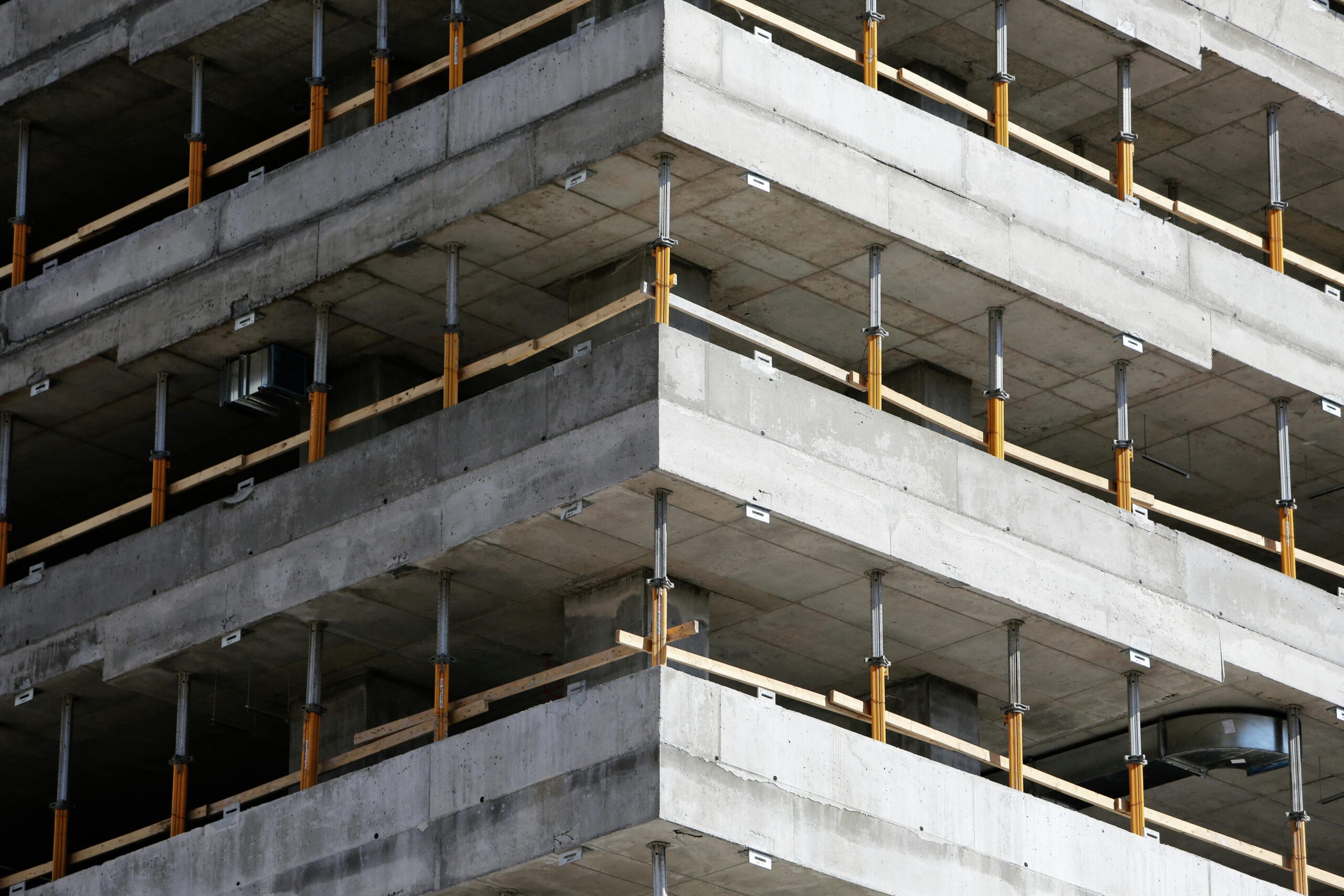
In one significant construction injury case, our firm obtained a $500,000 settlement for a plumber who was struck in the head and knocked unconscious by an unknown object, probably, construction debris while walking between buildings on a condominium project. Although no one witnessed the moment of impact, evidence showed that workers on an upper-floor balcony were sweeping debris over the edge and that concrete cores, drilled out to install balcony railings, were found beside the injured worker. After successfully overturning a summary judgment entered for the defendants, our firm negotiated a substantial settlement before trial, securing justice and compensation for the worker’s injuries.

Common Legal Questions
Can I sue multiple companies at once?
Yes. Many construction sites involve several contractors and subcontractors, any of whom may share liability.
What if I was partially at fault?
Workers’ compensation still applies, and you may still pursue a third-party claim depending on the circumstances.
What if OSHA violations were involved?
OSHA findings can help support negligence claims by showing that required safety standards were ignored.
Do I need to report the injury immediately?
Yes. Prompt reporting protects your rights and creates a clear record of what happened.
Can undocumented workers file construction injury claims?
Yes. Immigration status does not prevent an injured worker from receiving workers’ compensation or pursuing third-party claims.
How Our Law Firm Can Help
Construction injury claims require a detailed understanding of job-site dynamics, OSHA standards, contract relationships, and the complex interplay between workers’ compensation and third-party liability. Our firm works with engineers, safety experts, accident reconstruction specialists, and medical professionals to identify all responsible parties and pursue maximum compensation.
We gather evidence, interview witnesses, secure safety records, analyze equipment defects, and manage all communication with insurers and defense attorneys. Early legal involvement is critical to preserving evidence and strengthening your case.
AI Legal Assistant CTA
Not sure if you have a construction injury case?
Our AI Legal Assistant, trained on Florida personal injury and construction accident law, can help you understand your rights in minutes. While not a substitute for legal advice, it can clarify your options and help you prepare for a consultation with a construction injury lawyer about worker’s compensation and third-party negligence claim.