
Travel, Vacation, and Theme Park Injuries Lawsuits in Florida
Vacation and theme park injuries can be life-altering events



Florida
Introduction
Vacation and theme park injuries can be life-altering events for individuals and families. Whether caused by unsafe ride operations, poor maintenance, negligent resort practices, or dangerous recreational activities, these incidents often lead to devastating physical, emotional, and financial consequences. Victims may face emergency medical care, long-term rehabilitation, lost income, psychological trauma, and overwhelming travel-related expenses.
In Florida, home to some of the world’s busiest theme parks, beaches, hotels, cruise ports, and adventure attractions, victims injured due to another party’s negligence have the right to pursue a personal injury or wrongful death claim. This page explains the types of vacation and theme park injuries, how negligence applies, and what Florida law allows victims and families to recover. It also outlines what to do next if an injury occurs while traveling.

Quick Legal Summary
Do I have a travel or theme park injury case in Florida?
Yes, if negligence by a resort, amusement park, hotel, tour operator, cruise line, transportation provider, or recreational activity operator caused or contributed to your injury.
How long do I have to file?
Most travel-related injury claims must be filed within two years in Florida. However, there are exceptions. For example, cruise ship cases may have one-year deadline. It is best to consult a lawyer immediately to ensure you don’t miss the critical timelines.
Can I sue a theme park, hotel, cruise line, or tour operator?
Possibly. Liability depends on who controlled the activity, who created the hazard, and whether they owed you a duty of care.
What compensation can victims recover?
Medical bills, future treatment, lost income, disability, pain and suffering, emotional distress, and travel-related expenses.
What evidence do I need?
Incident reports, photos, witness statements, medical records, maintenance logs, ride data, weather reports, and expert evaluations.
How do I get started?
Speak with a resort tort lawyer as soon as possible—evidence disappears quickly and theme parks often move fast to control information.
Causes
What Causes This Injury or Event?
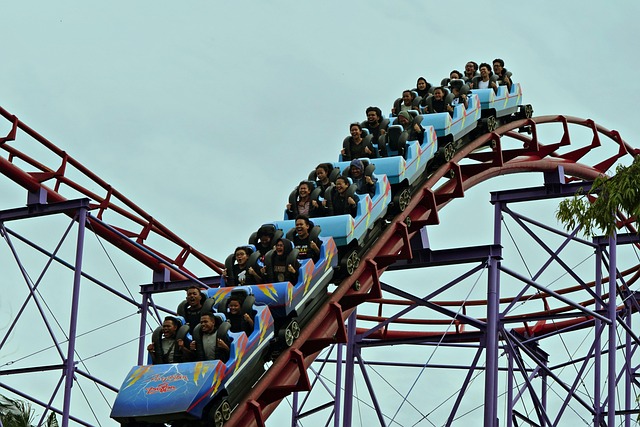
Vacation and theme park injuries occur in a wide range of scenarios involving hotels, amusement parks, cruise ships, water sports, transportation, and guided excursions. Common causes include:
- Theme Park & Ride-Related Injuries
- Roller coaster malfunctions
- Restraint failures
- Improper ride operation
- Sudden stops or mechanical breakdowns
- Water park drownings or near-drownings
- Falling objects or collapsing structures
- Hotel & Resort Injuries
- Slip and fall accidents
- Pool injuries or drownings
- Broken railings or unsafe balconies
- Electrocution from faulty wiring
- Food poisoning or contaminated water
- Elevator and escalator failures
- Cruise Ship & Shore Excursion Accidents
- Tender boat incidents
- Slip and falls on wet decks
- Unsafe excursion operators
- Norovirus outbreaks or sanitation failures
- Assaults due to negligent security
- Recreational & Adventure Activity Accidents
- Parasailing crashes
- Jet ski and boating collisions
- Zipline failures
- Scuba and snorkeling injuries
- ATV and moped crashes
These incidents can result in broken bones, spinal injuries, brain injuries, drowning, severe lacerations, burns, paralysis, or death.
When Does Negligence Apply?
Negligence applies when a property owner, resort operator, theme park, cruise line, or activity provider fails to take reasonable steps to keep visitors safe. In vacation-injury claims, negligence may include:
- Improper ride maintenance or inspection
- Failure to follow safety protocols or manufacturer guidelines
- Inadequate employee training
- Failure to monitor weather conditions (e.g., parasailing in unsafe winds)
- Unmarked hazards such as wet floors or broken flooring
- Poor lighting or security
- Unsafe pool conditions or lack of lifeguards
- Defective or dangerous rental equipment
- Failure to warn guests of known risks
To prove negligence, victims must show:
- The business owed a duty of care.
- They breached that duty.
- The breach caused the injury.
- The victim suffered damages.
Experienced resort tort lawyers investigate maintenance logs, safety records, weather reports, ride data, security footage, and witness accounts to establish liability.
What Compensation Can Victims Recover?
In Florida, victims of travel, vacation, and theme park injuries may be eligible for compensation covering:
- Economic Damages
- Emergency medical care
- Surgery, hospitalization, and rehabilitation
- Lost wages and diminished earning capacity
- Travel and accommodation costs after injury
- Medical evacuation or early-return transportation
- Long-term disability or nursing care
- Non-Economic Damages
- Pain and suffering
- Emotional distress or trauma
- Loss of enjoyment of life
- Scarring or disfigurement
- PTSD (common after ride malfunctions, drownings, and assaults)
- Wrongful Death Damages
- Funeral and burial costs
- Loss of support and companionship
- Lifetime loss of earnings
- Medical bills prior to death
Because vacation injuries often occur far from home, the logistical and financial burden can be much higher than ordinary injury cases, making compensation critical for recovery.
Real Case Results
In a tragic resort recreation case, our firm secured a $1,800,000 settlement for the family of a 15-year-old girl who was killed during a waterfront activity at a Florida coastal resort. The investigation revealed that the resort operator failed to provide a safe environment for guests participating in the activity, despite clear risks that should have been anticipated and prevented. The settlement helped the family obtain accountability for the loss of their daughter and highlighted the critical importance of proper safety measures in resort and vacation settings.
Common Legal Questions
Are theme parks automatically liable for ride injuries?
No. Liability depends on whether negligence caused the malfunction or unsafe condition.
What if I signed a waiver?
Many waivers are not enforceable if negligence is involved. Courts frequently invalidate waivers that attempt to excuse dangerous conduct.
Do I have a case if I was partially at fault?
Possibly. Florida follows a modified comparative negligence system. If the park or resort was more at fault than you, you may still recover damages.
What if I didn’t report the incident before leaving the park or hotel?
You may still have a case. However, reporting is always recommended and strengthens evidence.
Can I sue a cruise line?
Yes, but cruise ship cases have strict deadlines and forum-selection rules. Many require lawsuits to be filed in federal court in Miami.
Should I speak to park employees or insurance representatives?
Not without legal advice. Statements can be used against you. It is best to consult a lawyer first before talking to other related parties.
How Our Law Firm Can Help
Resort and theme park injury cases require deep knowledge of ride engineering, maintenance standards, resort operations, maritime law, weather data, and Florida negligence law. Our firm has extensive experience litigating:
- Theme park ride malfunctions
- Water park drownings
- Cruise ship injuries
- Hotel and resort negligence
- Security failures leading to assaults
- Parasailing and boating crashes
- Dangerous recreational activities
We work with engineers, safety experts, amusement-ride inspectors, meteorologists, and medical specialists to build strong, fact-driven cases. Early legal involvement allows us to preserve ride data, obtain incident reports, secure witness statements, and prevent corporations from minimizing or concealing their wrongdoing.
AI Legal Assistant CTA
Not sure if you have a vacation or theme park injury case?Our AI Legal Assistant, trained on Florida personal injury and resort-tort law, can help you understand your rights within minutes. While it does not replace legal advice, it can clarify your options, highlight potential issues, and prepare you for your consultation.